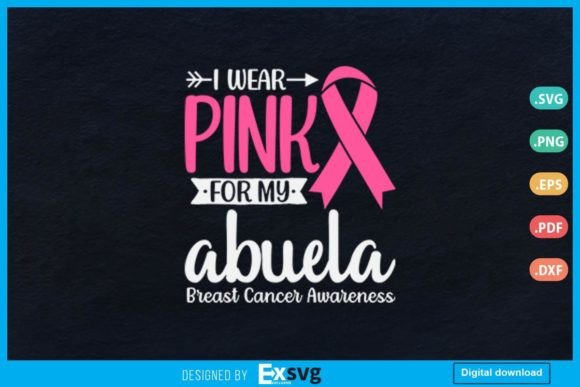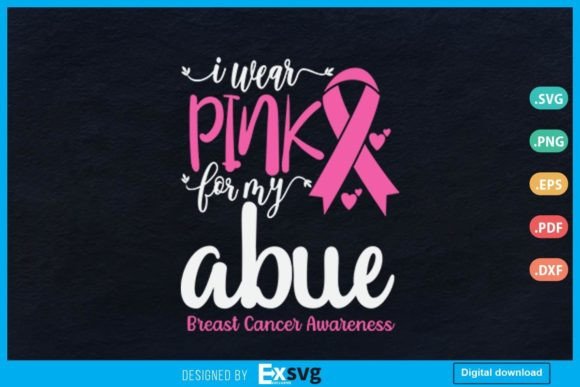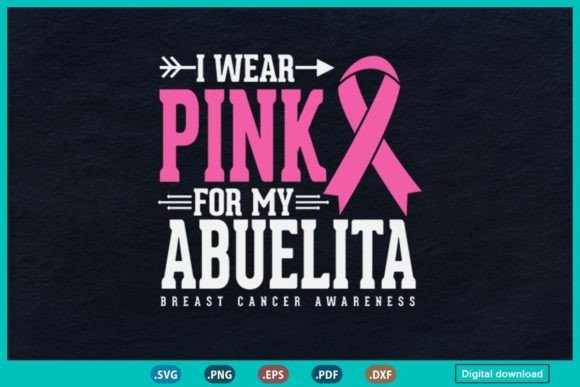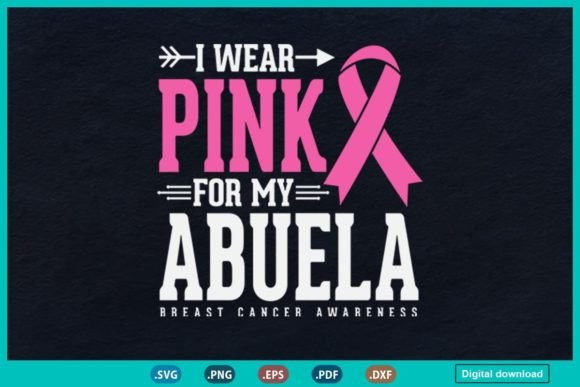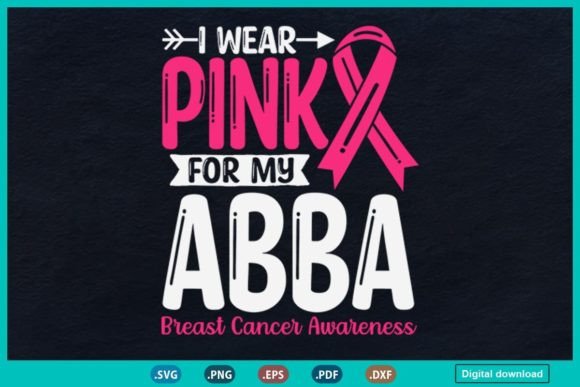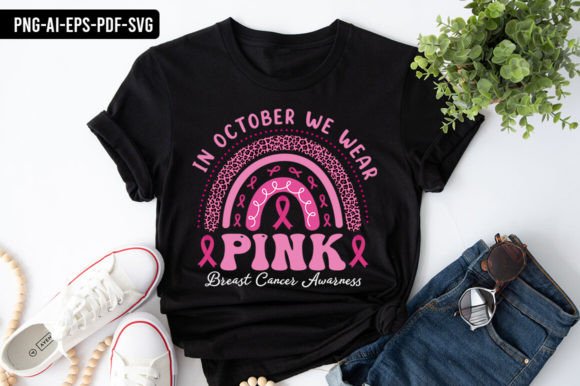
In October We Wear Pink Breast Cancer
The month of October brings a distinct shift in the visual landscape, as communities across the globe unite to support breast cancer awareness. The phrase In October We Wear Pink has become more than just a slogan; it is a universal signal of solidarity, hope, and the collective effort to fight against one of the most common cancers affecting women today. While the message is simple, the ways people engage with this cause vary significantly depending on their role in society, whether they are an entrepreneur launching a new brand or a parent organizing a school event.
For many, wearing pink is a personal commitment to honor survivors, remember those lost, and advocate for early detection. However, for creators, designers, and small business owners, this annual movement presents a unique opportunity to express support through original art. It is not merely about buying a pre-made t-shirt; it is about creating something meaningful that resonates with a specific audience. This is where high-quality digital assets become essential tools for bringing these messages to life without compromising on creativity or quality.
Why Original Designs Matter for Awareness Campaigns
When you look at the sea of mass-produced merchandise available every October, finding a design that feels authentic can be challenging. Generic clip art often lacks the emotional depth required to truly connect with people who have been touched by breast cancer. Using original and cute high-quality clip art allows individuals to craft messages that feel personal and heartfelt rather than commercial.
For a beginner creator, the ability to modify a design is crucial. They might want to add a specific date, change the color palette to match a local charity's branding, or adjust the typography to better suit their style. When files are provided in versatile formats like SVG, PDF, EPS, AI, and PNG, the barrier to entry drops significantly. These formats ensure that whether you are cutting vinyl for a custom shirt or printing a high-resolution poster, the image remains crisp and clear.
The priority here is flexibility. A design that is ready to print but also easy to edit empowers users to take ownership of their contribution to the cause. Instead of simply distributing a standard graphic, creators can tailor the message to fit their community's specific needs, making the awareness campaign more effective and inclusive.
Priorities for Different Creators
Different users approach the creation of awareness materials with different goals. Understanding these priorities helps in selecting the right resources for the job.
- Beginners and Hobbyists: For those just starting out in crafting or DIY projects, ease of use is the top priority. They need files that do not require advanced software skills. High-quality PNG transparent 300 dpi files allow them to drop images into simple programs like Canva or even Microsoft Word to create cards or invitations quickly. The ability to change colors easily means they can experiment with different shades of pink or combine them with other supportive colors without needing to know how to vectorize an image manually.
- Small Business Owners and Tee Entrepreneurs: For those running online stores, commercial value and reliability are paramount. They need designs that stand out in a crowded marketplace. Using SVG and EPS files ensures that their products look professional on various materials, from cotton tees to canvas bags. The "ready to print" feature saves valuable time, allowing them to focus on marketing and customer service rather than fixing pixelated graphics.
- Educators and School Organizers: Teachers and event planners often need to produce materials for students or community events. They prioritize cost-effectiveness and the ability to scale. A single file set that includes multiple formats allows a teacher to print stickers for a fundraiser, create a large banner for the gymnasium, and send digital invitations to parents, all using the same core asset. The educational value lies in teaching students about the cause while engaging them in a creative activity.
- Professional Designers: Experienced professionals look for precision and long-term usefulness. They evaluate assets based on the complexity of the vectors and the cleanliness of the code within the AI and PDF files. They need to know that the lines are smooth and the layers are organized so they can make rapid adjustments for large-scale production runs.
Practical Applications Across Various Projects
The versatility of these digital clip art files extends far beyond just clothing. The same core design can serve multiple purposes, maximizing the impact of the awareness message while minimizing the workload for the creator.
Consider a scenario where a local bakery wants to support the cause. They could use the SVG file to cut a logo onto a cake, print it on stickers to wrap around cupcake boxes, or use the PNG version to decorate their social media posts. Similarly, a scrapbooking enthusiast might use the high-resolution images to document a family member's journey through treatment, creating a lasting memory book that honors their resilience.
For those designing cards and invitations for charity walks or bake sales, the ability to change colors is a game-changer. Perhaps the organizer wants to use a soft pastel pink for a baby shower theme or a bold hot pink for a rock-and-roll fundraiser. Having a file that allows for easy color modification ensures that the final product aligns perfectly with the event's atmosphere.
Evaluating Quality and Usability
When selecting assets for such an important cause, quality cannot be compromised. A pixelated image on a t-shirt sent to a survivor can unintentionally send a message of carelessness. That is why 300 dpi resolution is non-negotiable for print-ready files. It guarantees that the details of the design remain sharp, whether the output is a tiny sticker or a large canvas print.
Furthermore, the inclusion of multiple file types addresses the varying technical capabilities of the user base. Not everyone has access to Adobe Illustrator. Providing a PNG file ensures that anyone with basic photo editing software can still use the design effectively. Conversely, providing vector files (SVG, EPS, AI) ensures that professional users can scale the design to any size without losing quality. This inclusivity makes the resource accessible to everyone, from a teenager making a school project to a seasoned marketer launching a national campaign.
The decision to use original art over generic stock imagery often comes down to the desire for authenticity. In a world saturated with repetitive content, a unique design stands out. It shows that the creator put thought into the project. Whether it is for a canvas print hanging in a hospital waiting room or a custom tee worn at a charity run, the design becomes a conversation starter that spreads the message of hope further than words alone ever could.
Ultimately, the goal is to empower people to participate in the movement in a way that feels right for them. By providing tools that are easy to modify, high quality, and versatile, we enable a wider range of voices to join the chorus of support. Whether you are a professional looking to expand your product line or a hobbyist wanting to make a special card for a friend, having the right digital assets transforms a simple idea into a tangible expression of compassion.
As we move through October, let us remember that the true power of wearing pink lies in the actions behind it. Whether that action is donating, volunteering, or simply sharing a beautifully designed message, every effort counts. Choosing high-quality, adaptable designs ensures that our contributions are made with care, precision, and respect for the serious nature of the cause we are supporting.